What Is Predictive Attribution?
What's the difference between predictive and retrospective attribution and how does it work? read this article to find out!
22 December 2023 · 2 min read

The difference between predictive and retrospective attribution
Most attribution models in the market, like multi-touch and data-driven, use a retrospective approach. They analyze the touchpoints after a conversion occurs, applying rules to decide which touchpoints are most significant. For instance, the U-shape model emphasizes the first and last touches, and the Shapley value calculates an average contribution.
However, in a cookieless environment, tracking the full user's journey is impossible. GDPR, cookie and privacy restrictions as well as cross-device limitations make these retrospective methods less reliable, as they depend on complete tracking for accurate attribution.

That’s why a more privacy-focused approach - predictive attribution is becoming more popular. It doesn't rely on tracking the full user journey like traditional methods, making it better suited for today's cookieless world.
What is predictive attribution?
Predictive attribution uses statistical models and machine learning to identify which marketing actions will likely result in a conversion. It analyzes user behaviour, a key advantage in the cookieless world, where the focus is shifting from detailed user-based analytics to broader, privacy-centric approaches.
For example, it involves 'what-if' scenarios. These help predict what might happen if, for example, you spend more on ads in a particular channel or campaign.
Benefits of predictive attribution
- Understanding user behaviour: Predictive attribution goes beyond surface-level metrics like clicks or sales. It analyzes behaviour trends to help marketers see how their ads engage with users. For example, Oxford Summer Courses used AI-driven attribution to identify less-engaged countries and optimize their marketing spend accordingly.
- Data-driven budget allocation: Predictive attribution helps in allocating marketing budgets more effectively. By identifying which channels or activities have the most significant impact, marketers can invest more wisely, ensuring a higher return on investment.
- Cookieless and privacy-centric: Predictive attribution doesn't rely on tracking the full user journey like retrospective models, making it well-suited for today's cookieless world.
SegmentStream’s predictive attribution and optimization solution
SegmentStream relies on first-party data and machine learning to give a fuller picture of how paid media contributes to sales, moving past traditional methods that depend on cookies.
It offers two main solutions:
1. Incremental attribution:
SegmentStream analyzes user behaviour to measure incremental ROAS across digital campaigns without relying solely on cookies. Learn more here.
2. AI-driven Marketing Mix Optimization:
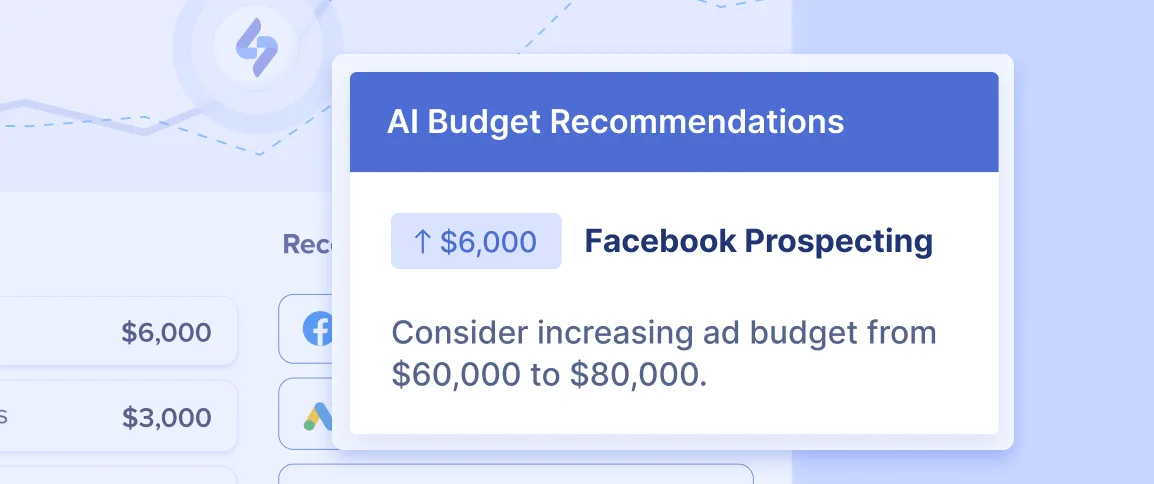
The platform provides AI-driven budget recommendations to achieve an optimized marketing mix. Learn more here.